The Cheese Crown: Melt, Stretch and Bliss on a Chicken Parmigiana

Brady Stroud
—February 9, 2026
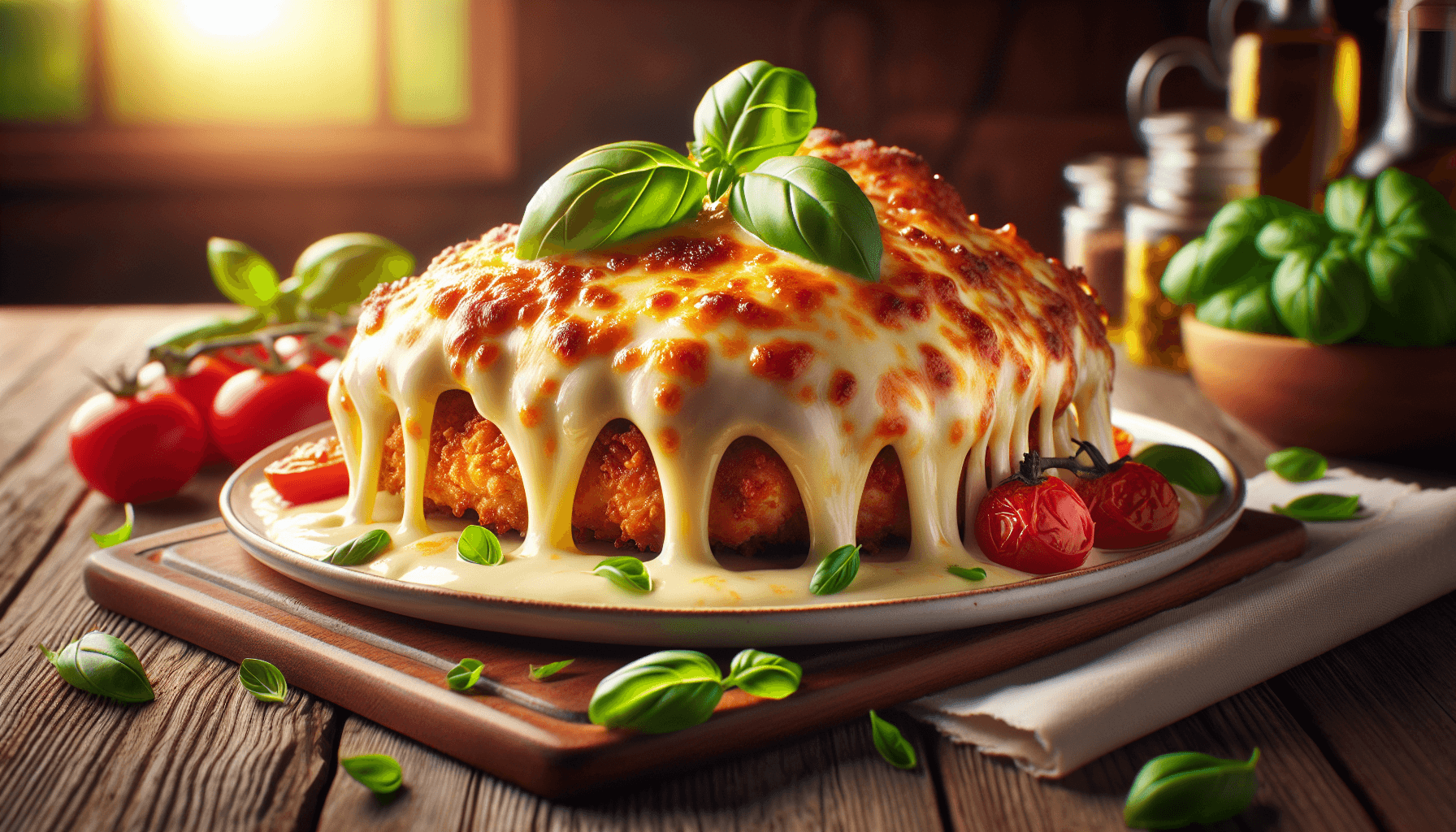
Some say the sauce sets the mood and the crumb carries the crunch, but it’s the cheese that steals the close‑up. That molten, glossy crown turns a good chicken parmigiana into an unforgettable one. Today, we’re zooming in on the cheese layer—the melt, the stretch, the blush of browning—and how it shapes every bite you take.
The casting call: cheese personalities
Choosing cheese for a parmi isn’t just “mozzarella and done.” Each cheese plays a role and brings a distinct texture and flavour cue.
- Low‑moisture mozzarella: Clean melt, dependable stretch, mild salty finish. The classic canvas.
- Provolone (mild): A silkier pull and a slightly sharper backbone. Think melody line over the mozz rhythm section.
- “Tasty” (Aussie cheddar style): Adds a nutty snap and faster browning; go light or risk grease pools.
- Parmesan/Grana: Micro‑grate over the top for umami fireworks and speckles of crisp.
- Fior di latte or fresh mozz: Luxurious, milky pockets—but mind the extra moisture.
Smart blends often do the trick: 70% low‑moisture mozz for structure, 20% provolone for personality, 10% finely grated Parmesan for aroma.
Melt vs stretch: the physics of pleasure
Melt is how uniformly the cheese softens; stretch is how the protein network holds under tension when you lift a forkful. You can tweak both without changing the rest of the parmi.
- Want more melt? Choose cheeses with slightly higher moisture and fat, and let the cheese warm on the schnitzel for 30–60 seconds before the broiler so it doesn’t shock and seize.
- Want more stretch? Low‑moisture mozzarella and provolone excel. Avoid overbrowning, which can tighten proteins and reduce pull.
- Avoid oil slicks: Too much aged cheddar or overly thick slices can split fat. Keep harder cheeses as a finishing sprinkle rather than the main layer.
Browned vs blonde: finding your brûlée dial
Those freckled “leopard” blisters? They’re protein and sugars hitting high heat fast. The deeper the spots, the toastier (and slightly bitter) the flavour.
- Pale and glossy: Creamy, gentle, great for showcasing ham and sauce.
- Even gold: Balanced caramel notes, minimal bitterness, broad crowd‑pleaser.
- Freckled and bold: Intense aroma and a crackly top—best with a slightly thicker sauce so the bite stays harmonious.
Tip: Keep the cheese cold until assembly if you want more blistering—colder surfaces encourage dramatic hot spots under a fierce grill.
Thickness matters: the cap that protects (or sinks) the crumb
Cheese acts like a thermal blanket. Too thin and it dries; too thick and it traps steam, softening your hard‑won crunch.
- Sweet spot: About 3–4 mm of cheese (one generous layer or a tidy double of thin slices).
- If your sauce is extra loose, go a whisker thinner on cheese and reduce sauce volume at the centre to keep the crumb perky.
Coverage strategy: blanket, beret, or edge frill
How you drape the cheese changes both look and bite.
- Full blanket: Every mouthful equal—great for consistency lovers.
- Center beret: Cheese focused in the middle, leaving rims of bare crumb for maximal crunch contrast.
- Edge frill: Cheese slightly overhanging to create lacy, crispy skirts where it meets the pan or plate heat.
A hybrid trick: full coverage with a few deliberate bare “breathing lanes” along the edges to vent steam.
The handoff: where cheese meets ham
The layer beneath the cheese is a slippery handshake. If you include ham, pat it dry; moisture between ham and cheese can cause slide. A whisper of grated Parmesan between them works like culinary Velcro, adding grip and umami.
Heat and hardware: same grill, new results
Whether it’s a salamander, home grill, or oven broiler, your angle and distance change everything.
- Close and fast: 1–3 minutes gives freckles and minimal moisture loss.
- Mid‑distance: 3–5 minutes melts more evenly with gentler colour.
- Rotating halfway through evens out hot spots and prevents one‑sided slouching.
For picture‑perfect edges, pre‑warm the plate. The residual heat sets drips before they wander.
Cut and carry: keeping the crown in place
Ever sliced in and watched the entire top ski off? Two small moves help:
- Make your first cut through the cheese alone, a shallow score across the surface. Then cut fully—less surface tension = less slide.
- Use a firm, straight‑down motion instead of a sawing drag, especially with fresh mozz toppings.
Tiny table experiments (no recipe required)
Turn dinner into a delicious lab with micro‑tests you can taste immediately:
- Cheese blend duel: Left half mozz‑only, right half mozz + provolone. Which side disappears first?
- Browning split: Shield one quarter with foil for a paler cap; leave the rest bare. Compare aroma and bitterness.
- Coverage contrast: Create a center beret on one mini‑cutlet and a full blanket on another. Which gives the crunch ratio you love?
Conclusion
The cheese crown is more than a melty hat—it’s the steering wheel of texture, aroma, and balance on a chicken parmigiana. By nudging thickness, blend, browning, and coverage, you can fine‑tune every forkful without rewriting the whole dish.
Have you discovered a magic blend or a browning level that makes your parmi sing? Tell us your cheese strategy—stretch goals, blister preferences, and whether you’re Team Blanket or Team Edge Frill—in the comments below!