The Melt Window: Mastering Time and Temperature for Peak Chicken Parmigiana

Brady Stroud
—23 February 2026
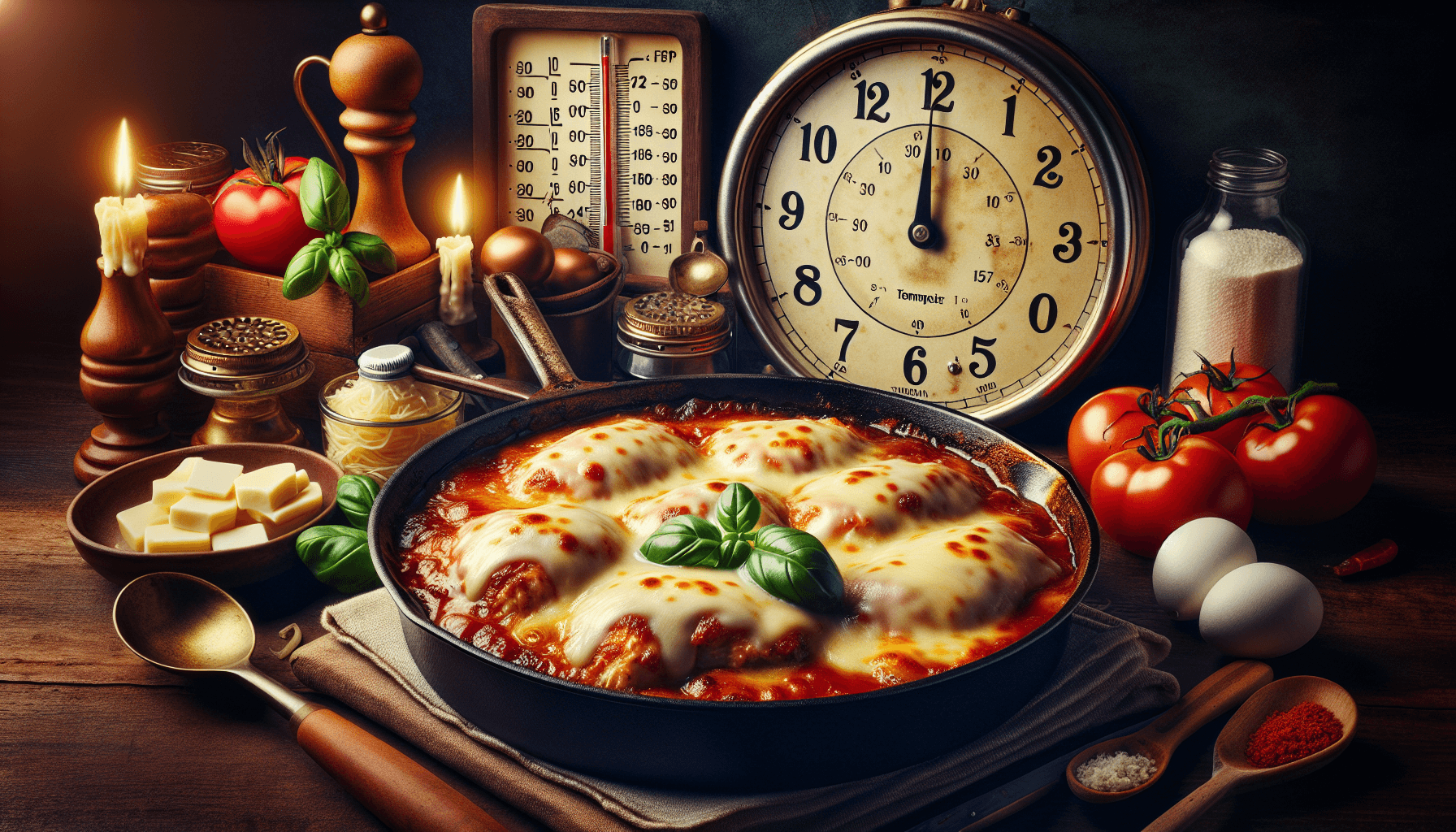
There’s a golden minute—well, several—that decides whether your chicken parmigiana is legend or merely lunch. I call it the Melt Window: the short, glorious stretch when the cheese is supple, the sauce is singing, the ham is humming backup, and the crumb still crackles like a campfire. Nail this window, and every bite feels engineered by fate.
What Is the Melt Window?
The Melt Window is the period after plating when textures and temperatures line up in harmony. Too soon, and the cheese hasn’t settled; too late, and steam turns your crumb from cymbal to pillow. In most pubs, that window is roughly 6–12 minutes after the plate lands. Your mission: arrive, observe, and act.
Why Timing Changes Everything
- Cheese elasticity peaks before it coagulates into a heavy blanket.
- Sauce viscosity shifts from sloshy to clingy, so it coats without flooding the crumb.
- Ham (if yours has it) buffers heat and moisture; handled right, it keeps things layered rather than soggy.
- The crumb’s Maillard magic is loudest right before internal steam softens it.
How to Spot Peak Parmi
- The cheese glistens but doesn’t drool—tiny rivulets, not runoff.
- Bubbles have relaxed; edges bronze, center smooth.
- A gentle fork tap on the crumb gives a crisp, papery note.
- Aromas feel focused: tomato bright, cheese nutty, fried crumb toasty.
Your First Four Moves
- Park the chips. Create a small no-fry zone around the parmi so steam has an escape lane.
- Edge scout. Start with a perimeter nibble to test crunch and heat.
- Cross-cut, not crush. Slice with a long stroke and minimal pressure—respect the crumb, don’t compact it.
- Center check. Take a center bite soon after: this is where heat and moisture party hardest, so it’s the first spot to lose crisp.
Steam and Crunch: Keeping the Crumb Aloft
- Create micro-vents: after cutting a few bites, leave a sliver of space between pieces so steam slips out instead of down.
- Stagger your sauce: drag bites through pooled sauce on the plate, not across the intact top, to avoid drenching the remaining crust.
- Rest beats: alternate bites between edge and center to give each zone a breather.
Weather-Proofing Your Experience
- Humid day? Shorten your window. Steam hangs around longer, so hit those first bites promptly.
- Dry, cool day? Add 1–2 minutes. Cheese sets slower; let it relax before committing.
- Windy beer garden? Shield with your plate-hand or napkin tent when you’re not cutting—keeps heat in without trapping steam.
- Winter plates run hotter. Summer plates cool fast. Adjust your first-cut timing by a minute either way.
If There’s Ham in the Stack
Treat it like an umbrella. Keep it aligned with your slice so the ham catches sauce run-off while the crumb stays proud. If a fold of ham slides off, drape it back over your next bite—built-in moisture management.
Sharing Without Sacrifice
- Draft a grid. Agree on two clean cross-cuts for four equal quadrants—less handling, fewer crumbs lost.
- Serve slices to plates quickly. Lingering pieces steam each other on the board.
- The host takes the first center slice. It’s the canary for heat and doneness, and it saves the crunch on the rest.
Chip Coordination (So They Don’t Mutiny)
Keep chips to the side until your first three parmi bites are down. Then rotate chips into the act by dipping in plate sauce—not onto the parmi lid—so they support, not sabotage, the crunch.
The Graceful Exit: Knowing When to Box It
When fork taps go from snare-drum crisp to soft thud, or sauce overtakes the plate edges, the window’s closing. Box the rest and ask for sauce on the side. At home, a quick hot-pan re-crisp on the underside revives spirit without rewriting the dish.
Conclusion
Great chicken parmigiana isn’t only cooked—it’s timed. Read the signs, stage your bites, and you’ll ride the Melt Window from first crackle to last satisfied sigh. It’s less about rules than rhythm, and once you feel it, you’ll never look at a steamy plate the same way again.
Have you found your perfect Melt Window? Share your minute-mark, bite order, and any weather hacks in the comments—let’s chart the world’s first crowdsourced parmi timing map.