Parmi Barometer: Weatherproofing Your Chicken Parmigiana Experience

Brady Stroud
—2 March 2026
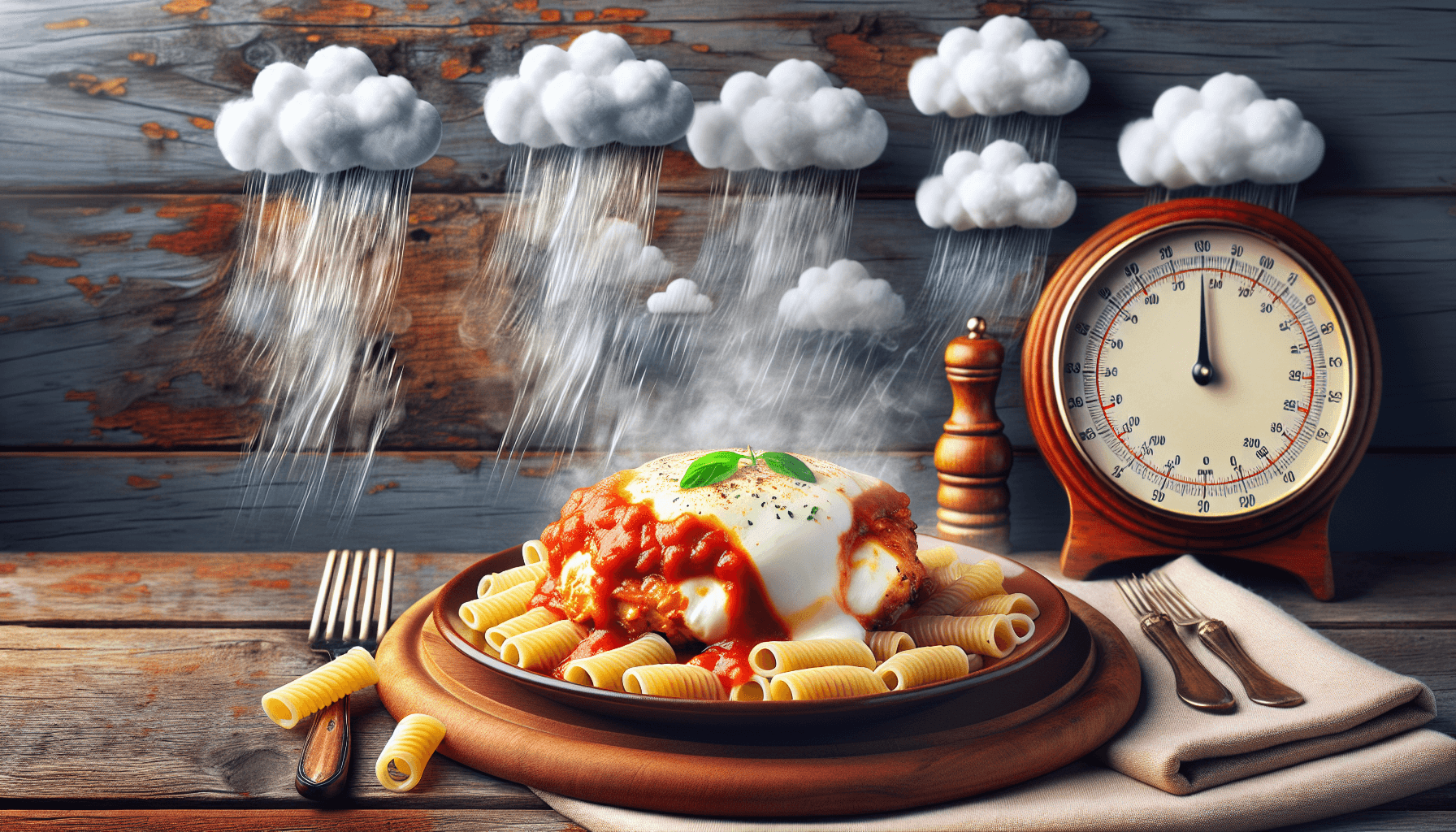
Here’s a not-so-obvious truth: the weather can make or break your chicken parmigiana. From tropical humidity that bullies your crumb to icy evenings that set your cheese faster than you can say “pub special,” the forecast quietly decides how your parmi will eat. The good news? With a little meteorological know-how, you can outplay the elements and keep every bite singing.
When Humidity Fights the Crumb
Moist air is the arch-nemesis of crunch. High humidity slows evaporation and invites steam to loiter inside the crumb. Left unchecked, that glorious crisp turns leathery around the edges, then soggy in the middle.
How to outplay it:
- Ask for your sauce beneath the cheese (or on the side) so the crumb gets a fighting chance before moisture marches in.
- If the menu mentions “freshly cut ham,” opt in—thin, drier slices act like a moisture buffer between sauce and cheese.
- Park the salad away from your parmi. A pile of dressed leaves pressed against the edge becomes a stealth steam generator.
- Attack the perimeter first. Edges lose crunch fastest in humid air; enjoy those crisp bites before they go.
Wind, Patio Tables, and Evaporative Betrayal
A breezy afternoon feels dreamy—until it hits your plate. Moving air accelerates cooling. Your cheese firms up faster, the sauce skin thickens, and steam condenses into micro-sog on the crumb.
Breeze hacks without leaving your seat:
- Stage your bites: start where cheese is thinnest so you catch the perfect stretch before it sets.
- Keep hot chips beside—not under—the parm. Airflow whipping through a chip raft under the schnitty creates a steam trap from below.
- Use the plate’s warm real estate: if there’s a hotter zone (you’ll feel it with your fingertips near the rim), rotate the parmi between bites so each mouthful spends a moment in the heat.
Cold Nights and the Thermal-Mass Trick
When the mercury drops, thermal mass rules. A thin, rapidly cooled plate can drain heat from your schnitty, tightening cheese and dulling aromatics.
Turn the cold to your advantage:
- If the venue serves on sizzlers or hefty ceramic, choose it—thicker plates act like a heat bank.
- Give it a 60–90 second post-landing rest before you dig in. The crust settles, escaping steam clears, and the crumb stays crisper longer. (Counterintuitive, but magic.)
- Skip extra-cold add-ons on top (think: fridge-cold slaw). Ask for them on the side so they don’t shock the cheese.
Barometric Oddities Worth Nerding Out On
It’s subtle, but pressure and altitude tweak frying and texture. Lower pressure (like in stormy systems or higher-altitude towns) nudges the boiling point downward. That can change bubble size in crumb and how moisture escapes.
Why it matters (and what to do):
- Expect a slightly more delicate crunch at elevation. It’s not a flaw; it’s the local accent. Embrace it and avoid drowning it in extra sauce.
- In clear, high-pressure spells, your crumb may taste snappier. Great time to order the classic (sauce over, cheese bubbling) and lean into the contrast.
Rainy-Day Ordering Moves
Rain pushes more diners indoors, the pass gets steamy, and plates queue under heat lamps. None of that is fatal to your parmi—just play smart.
Moves that help:
- Consider a half-portion or a lunch-size parmi if offered. Faster from fryer to fork means less time for steam to meddle.
- Ask for a little extra grate on top instead of a heavier cheese blanket. Thinner coverage re-crisps quicker and keeps edges lively.
- If chips are served under the schnitty by default, politely request them on the side today. Less steam, more crunch.
Tiny Experiments at the Table
Make your next parmi a mini science lab (a delicious one):
- The tap test: lightly tap the crust with your knife. A dry, snappy tick = crisp; a muted thud = moisture moved in. Adjust your eating order accordingly.
- The aroma wave: waft the plate once. Bright tomato and toasted crumb aromas fade as temp drops—hit those zones first.
- The stretch check: lift a corner for a small pull. If strands snap instantly, the surface has set—pivot to the saucier center, then return to the edges after a minute’s rest.
Bringing It All Together
Weatherproofing your parmigiana isn’t about overthinking dinner—it’s about noticing the little cues the sky sends and making simple, tasty adjustments. Humid day? Guard the crumb. Windy arvo? Beat the cooling curve. Cold night? Lean on thermal mass and a short rest. Storm rolling in? Go lighter on toppings and keep sides separate.
Your turn—what’s the wildest weather that ever shaped your parmi? Have you outsmarted a humid day or salvaged crunch on a breezy patio? Share your stories, hacks, and near-misses in the comments. Let’s build the first-ever community Parmi Barometer and help each other eat better, no matter what the forecast says.