Listen To Your Parmi: The Acoustics of Chicken Parmigiana

Brady Stroud
—20 April 2026
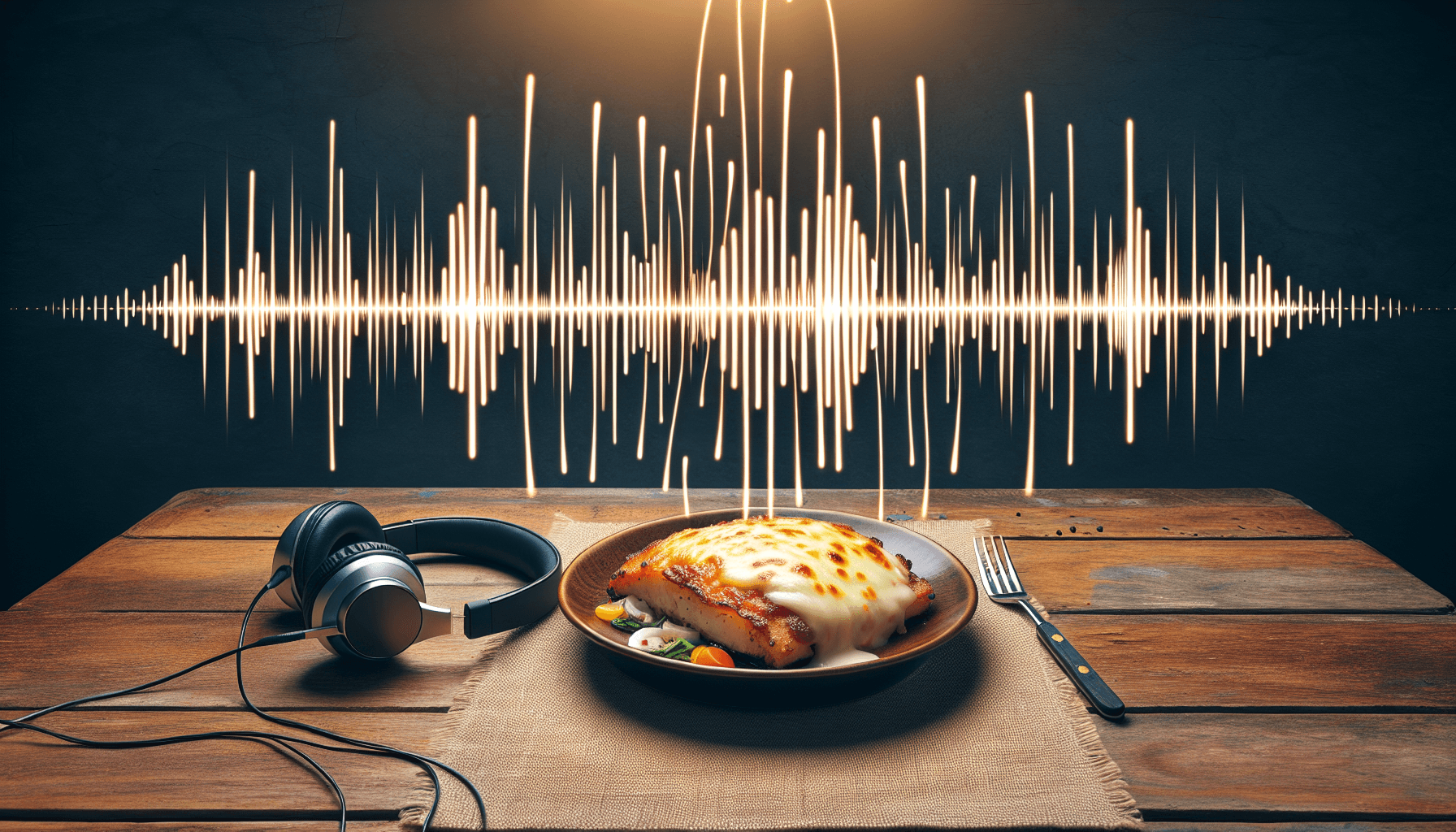
Walk into any Aussie pub and the first thing you notice might be the aroma, the golden glow, the generous halo of chips. But there’s another sense quietly doing quality control before your fork even lifts: your hearing. A great chicken parmigiana doesn’t just taste right—it sounds right. And once you tune in, you’ll never un-hear the difference.
Why Sound Matters More Than You Think
Crunch is a conversation between crumb and cutlery. The way your knife meets the crust, the way sauce dampens or carries that crackle, even the whisper of cheese as it stretches—these are clues about texture, temperature, and balance. Your ears can often confirm what your eyes only guess.
The Knife Test: Reading the Clink and Crackle
- The first touch: A bright, clean clink as your knife taps the crust suggests a drier, well-set crumb. A dull thud hints at steam-softened coating.
- The breakthrough: Listen for a crisp “shrrk” as the crumb yields. If it sounds like tearing cardboard, the crumb may be thick but under-fried. If it’s a glassy shatter followed by an easy glide, you’ve likely hit the sweet spot: thin, well-browned crumb over succulent chicken.
- The plate reply: A tight, ceramic ping after the slice means the base is still elevated from the sauce—lift and structure are intact.
Crunch Spectrum: Shatter, Snap, and Sigh
- Shatter: High, tinkly fragments scattering as you cut. Expect brittle-light crumb and airy crunch.
- Snap: A focused, tidy crack. Usually signals uniform crumbing and balanced moisture inside.
- Sigh: A soft exhale as blades pass through. This can be lovely if it follows a snap—meaning the crust crackles and the chicken stays plush. If it’s all sigh and no snap, you may be in sog-town.
Sauce as a Sound Engineer
Tomato sauce can be a natural sound-dampener. A well-reduced sauce lands with a gentle pat rather than a splash, letting the crust still speak. If you hear a wet slap while cutting near the center, the sauce may be over-generous or under-reduced, nudging the crumb toward mush. Near the edges, you want to hear that crackle stay confident—like rain tapering off under a verandah.
Cheese: The Quiet Performer
Great cheese won’t shout; it murmurs. As you lift a slice, a faint, tacky whisper can signal a perfect melt—elastic but not oily. Silence here is fine; squeak is not. A squeak often means the cheese has tightened from overheat or a cool-down that went too far.
Chips and Salad: The Backing Band
- Chips: A dry rustle when you nudge them means they kept their crunch. If they hush into silence, they’re soaking up runoff. Park a few chips on the high, drier side of the plate to keep their percussion alive.
- Salad: A crisp leaf should crack softly when pressed by your fork—think paper-thin snow underfoot. Limp leaves make no sound and bring water where it’s least wanted.
How to Listen Without Making It Weird
- Angle your first slice at 30–45 degrees. You’ll travel across crust, cheese, and chicken in one motion, sampling the full soundscape.
- Use the fork’s edge for a gentle tap test before cutting. One tiny tap, one private clue—no drum solo required.
- Take your first bite in a quieter moment of the room, then relax. After that, just enjoy; you’ve calibrated.
Tiny Experiments at the Table
- Edge vs. middle: Slice an outer corner first—note the bright crackle—then the saucy center. If both sing, you’ve got a champion.
- Pause test: Cut a piece and wait 10 seconds before the next cut. If the second slice still crackles, the crust has real stamina.
- Chip shield: Tuck two chips along the lower rim of the parmi before your first cut. If they emerge still rustly after a few minutes, the plate’s moisture balance is on point.
Conclusion
The best chicken parmigiana tells a story you can hear: a clink that promises structure, a crackle that confirms craftsmanship, a gentle hush that protects juiciness. Once you start listening, you’ll catch details your eyes and taste buds appreciate later—long before the last crumb falls.
Join the Conversation
What’s the most satisfying sound your parmi has ever made? Do you have a go-to “tap test” or a trick for keeping those chips chattery? Share your sonic secrets and crunchy victories in the comments—let’s write the ultimate parmi soundtrack together, one crackle at a time.