Cutlery Chronicles: Knives, Forks, and Plate Physics of a Chicken Parmigiana

Brady Stroud
—23 March 2026
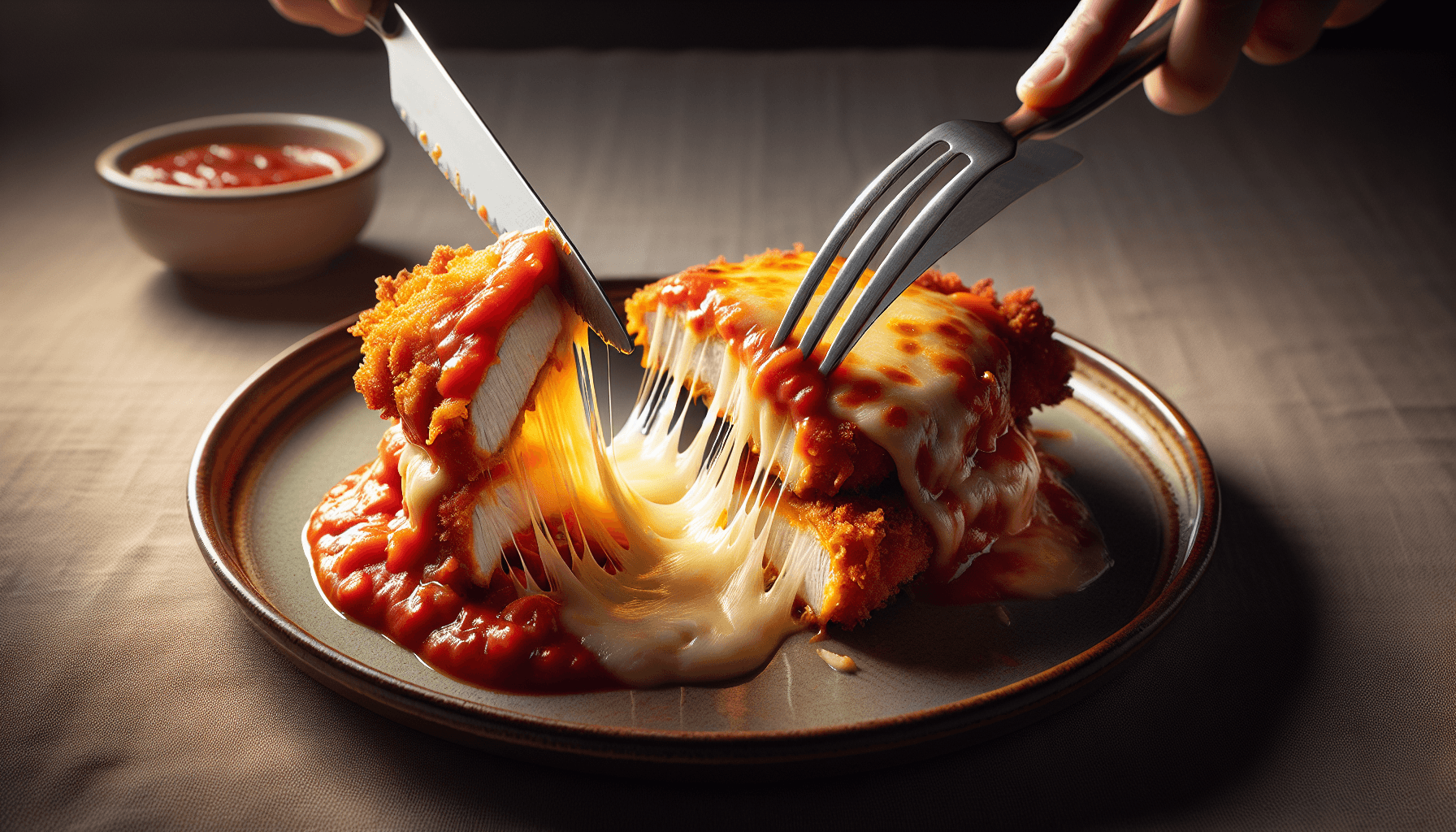
Chicken parmigiana might be a symphony of sauce, ham, and molten cheese riding a golden crumb, but the tools you use to tackle it can make or break the performance. We obsess over toppings and technique—yet the humble knife, the quiet fork, and even the plate under the whole affair quietly decide whether your bite is clean, crunchy, and satisfying, or a slippery slide of cheese and crumbs.
Why Your Knife Matters More Than You Think
A great parmi isn’t a brick to be hacked; it’s a layered structure that rewards finesse. Your knife determines whether you shear cleanly through crumb and breast, or shred and delaminate the layers. The right edge reduces pressure on the crumb, preserves juiciness, and keeps the cheese where it belongs—on top, not fleeing sideways.
Serrated vs. Straight: Choose Your Champion
- Serrated edge: Think gentle saw over brute force. Micro-teeth start the cut without crushing crust, especially useful when the crumb is extra crisp. It’s forgiving and pub-proof when blades aren’t razor sharp.
- Straight edge: Glide is the game. When properly sharp, it delivers silky slices through breast meat and ham with minimal vibration. But dull? It will skid and mash.
Bottom line: In pubs, a quality serrated steak knife often wins for reliability. At home, a well-honed chef’s knife can be sublime.
The Fork: Anchor, Brake, and Cheese Keeper
Your fork isn’t just a passenger. It stabilizes layers and sets up each successful slice.
- Angle: Plant the fork tines just inside the intended cut line at a 20–30° lean. This anchors the cheese sheet and ham so they shear with the chicken rather than sliding off.
- Grip: Use a light clamp—enough to steady, not enough to fracture the crumb.
- Micro-moves: Nudge downward as you finish each cut to stop the classic cheese slip.
Plate Physics 101
The plate is the stage, and its material changes everything.
- Glazed ceramic: Moderate friction, good heat retention, familiar knife feel. Ideal for neat, controlled slices.
- Enamelware/metal trays: Low friction—great for sliding the last morsel, risky for runaway sauce. Expect more clatter, less control.
- Wooden boards: High friction with a touch of cushion. Calms the cut, but can soak juices and soften crumb edges over time.
- Rim height: A shallow rim lets crumbs escape; a higher rim retains sauce but can corral steam. Ask for a plate swap if your parmi’s surfing in a sauce lagoon.
A Stress‑Free Slice: The Three‑Point Stability Move
Create stability with three contact points: fork tines, knife tip, and plate.
- Score: Set the knife tip to lightly score the top crust where you want the cut.
- Anchor: Plant the fork just ahead of the score line, tines angled.
- Draw: Use short, gentle strokes to saw through crust, then a longer glide through the meat. Keep the blade in contact with the plate only at the end to avoid chipping crust.
Edge and Corner Tactics
- Corner-first wins when the cheese is exuberant. Corners give you natural structure for tidy triangles.
- Midline magic: For large parmis, a confident centerline cut halves the workload and shares heat evenly for the table.
- Avoid the “plough”: Pressing straight down compresses crumb. Always initiate with a micro-saw before any downward pressure.
Sound Cues: Let Your Ears Help
- Crisp whisper: A light, sandpapery scrape means the crumb is intact—proceed with short strokes.
- Hollow clack: You’re tapping plate—reduce pressure and finesse the glide.
- Soggy thud: Shift to smaller bites from the firmer perimeter, where structure is stronger.
Small Table Tweaks With Big Payoffs
- Ask for a steak knife if you’re handed a butter blade. It’s a service, not a diva move.
- Request a dry side plate if your parmi arrives swimming; transfer slices to preserve crunch.
- Level the battlefield: A wobbling table equals messy cuts—fold a coaster under the short leg and save your sauce.
Left-Handers and Wrist-Friendly Tips
- Rotate the plate 30–45° so your guiding hand naturally lines up with the cut.
- Use the fork as a movable clamp: shift its position every few centimetres to keep layers stacked.
- If wrist fatigue sets in, switch to smaller, diagonal cuts that use forearm motion instead of wrist torque.
At-Home Bonus: Setting the Stage
- Knife: Keep a mid-grit edge on your chef’s knife for grip, or pick a fine-toothed serrated slicer.
- Plate: Pre-warm ceramic plates briefly for comfort, but keep them dry to protect crunch.
- Board: If slicing on a board before plating, use a hard, smooth surface and move quickly to the plate to avoid steam softening.
Conclusion
The best chicken parmigiana doesn’t just happen on the pass—it’s finished in your hands. With the right knife, a purposeful fork, and a plate that behaves, you’ll taste more crunch, keep the layers loyal, and land cleaner, juicier bites from first slice to last.
What about you—serrated or straight for the perfect parmi slice? Have you met a plate that made cutting a dream or a disaster? Share your tools, tactics, and triumphs in the comments. Your tip might become someone’s new secret weapon.