Chicken Parmigiana With a Conscience: Sustainable Choices for Big Flavour

Brady Stroud
—15 December 2025
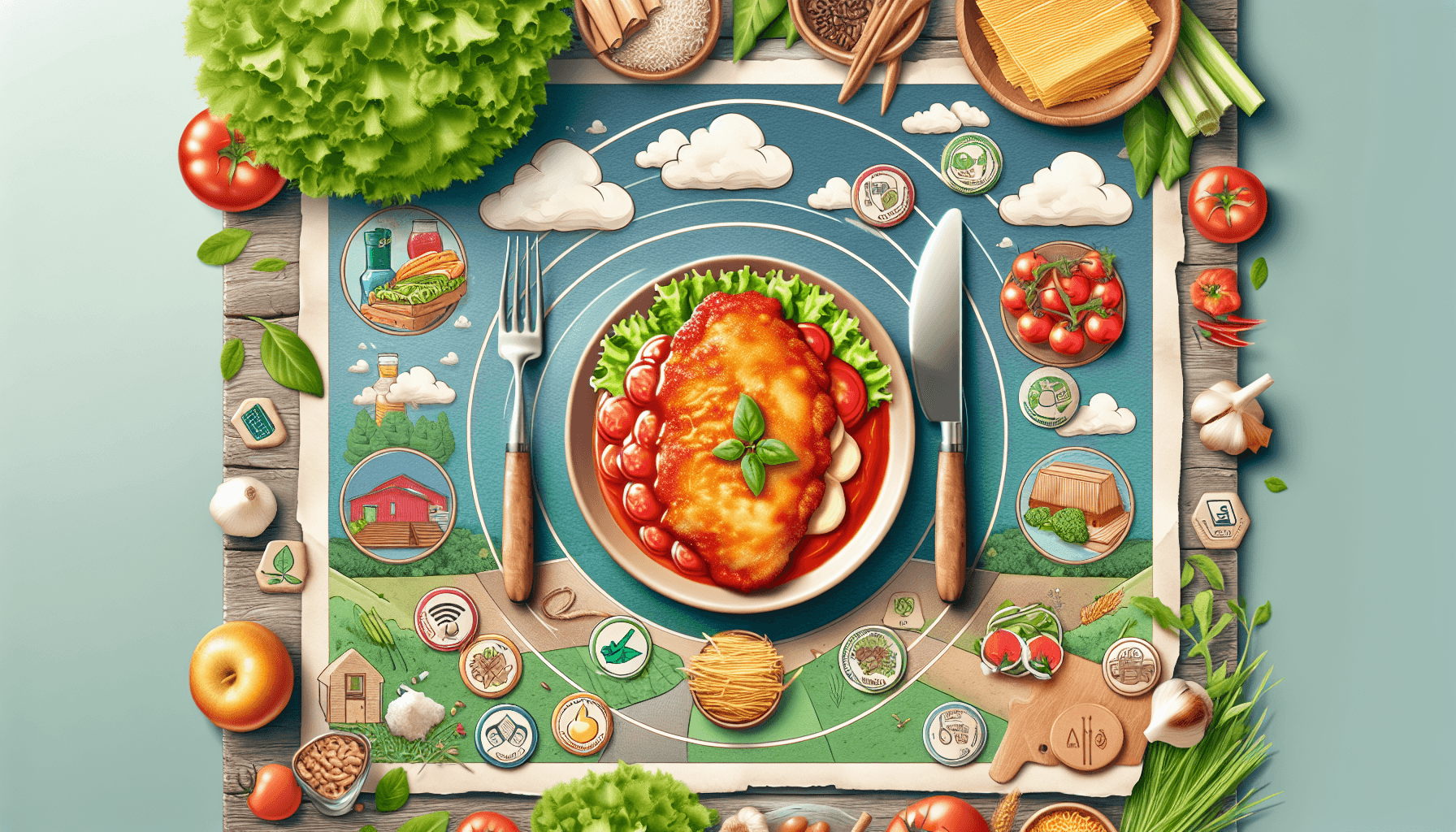
You know that moment when a chicken parmigiana lands in front of you—bubbling cheese, saucy edges, crumb that practically crackles in the air? Now imagine if that same parmi could taste great and tread lightly on the planet. This is the guide for cooks and diners who want big flavour with a smaller footprint.
Why sustainability belongs on the parmi plate
Chicken parmigiana is deceptively simple, but it’s a team effort: chook, tomatoes, ham, cheese, oil, heat, plate. Each piece has a story—where it comes from, how it’s made, and what happens after you’ve licked the last string of mozzarella from your fork. Making smarter choices at each step can reduce waste, support better farming, and (best of all) often make your parmi taste fresher.
The chicken: choose a bird with a backstory
- Look for clear welfare or provenance cues on menus: free-range, RSPCA Approved, or a named local farm. At home, buy from butchers who can tell you how the chicken was raised.
- If you’re cooking, butterfly one larger breast instead of two smaller ones. Same plate coverage, less packaging, fewer offcuts.
- Avoid over-trimming. What some call scraps often crumb beautifully and make great tester bites (chef’s treat!).
Tomato smarts without the sauce sermon
- Seasonal swap: when tomatoes are abundant, make a simple passata and freeze flat in reusable bags for quick portions. Out of season, Australian-grown canned tomatoes are consistently good.
- Simmer only what you need. If you make extra, cool fast and freeze in ice-cube trays for next time. That’s instant parmi insurance.
- Brighten without excess: a pinch of sugar or a splash of balsamic saves you from chasing flavour with extra sauce (and extra cook time).
Ham and cheese, consciously
- Ham: choose quality over quantity. A thin slice of well-made, locally sourced ham usually brings more character than a stack of anonymous slices.
- Cheese: stretch flavour with blends. A little sharp provolone or tasty mixed into mozz melts beautifully, so you can use less overall while keeping that glorious pull.
- Buy by the piece. Pre-sliced packs often lead to leftovers that languish; a wedge or a small deli order means you use exactly what you need.
Crunch without waste
- Breadcrumbs: turn yesterday’s bread into today’s crumb. Dry in a low oven, blitz, and store. For extra crunch, pulse in a handful of cornflakes or leftover crusts.
- Season the crumb, not the whole world. Good seasoning in the coating means you can go lighter elsewhere.
- Oil stewardship: shallow-fry in a wide pan and maintain steady heat. Strain cooled oil through a coffee filter and reuse for another fry session if it smells clean. When done, recycle cooking oil where local services allow—never down the sink.
Energy-savvy cooking moves
- Heat stacking: brown the schnitzel on the stove, then finish under a hot grill to melt cheese—faster than running both stove and oven for ages.
- Convection counts: if you do oven-finish, use the fan setting and preheat once for multiple trays.
- Residual heat is your friend: assemble the parmi on a warm tray so cheese starts melting before it even hits the grill.
Dining out? Spot the green signals
- Menus that name producers, rotate seasonally, or flag oil recycling programs speak volumes.
- Portion realism: venues offering half-parmis or salad-forward plates reduce waste without killing the vibe.
- Dine-in beats disposable. If you must take away, bring a reusable container (ask first—many venues are happy to oblige).
Leftovers that still crunch
- Cool fast, store shallow. Steam is the enemy of crisp.
- Reheat on a rack in a hot oven or air-fryer to revive the crumb without overcooking the chicken.
- Slice before reheating for speed. Thin pieces warm quickly and stay juicier.
A tiny-footprint parmi checklist
- Bird with provenance
- Sauce in sensible portions
- Quality ham, flavour-forward cheese blends
- House-made crumb from leftover bread
- Managed oil, recycled responsibly
- Smart heat use and tidy reheats
- Venues that care (and portions you’ll finish)
Conclusion
A sustainable chicken parmigiana isn’t about sacrifice. It’s about sharper choices that make the dish sing: brighter sauce, crisper crumb, honest ingredients, and less waste. The bonus? What’s good for the planet often tastes better, too.
Got a favourite venue making sustainably stellar parmis—or a home-cook hack that keeps your crumb crunchy and your conscience clear? Share your tips and spots in the comments. Let’s build a greener parmi playbook together.