What Your Parmi Really Costs (and Why It’s Worth It)

Brady Stroud
—22 December 2025
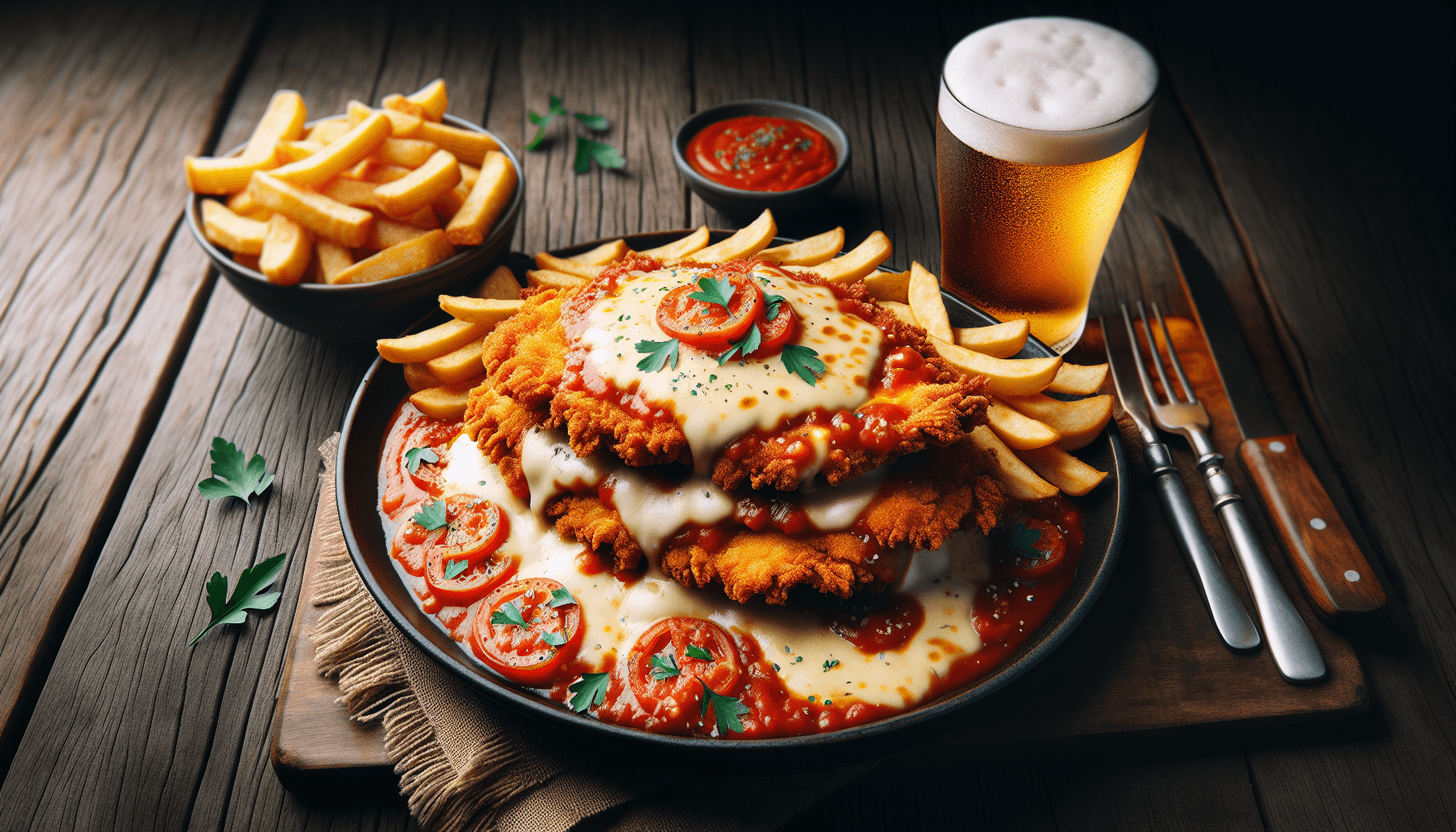
There’s a moment right before the first slice where time slows: the crunching crumb, the saucy tang, the molten cheese pull. We all know how a great chicken parmigiana feels—but have you ever wondered why it’s priced the way it is, or why one venue’s “value parmi” somehow tastes twice as premium? Let’s lift the lid on the economics behind that golden rectangle of joy.
Why a Parmi Costs What It Costs
Behind the plate you love sits a web of costs that don’t show up on the menu board:
- Core ingredients: chicken breast, ham, mozzarella (often a mozz–cheddar mix), sauce, and crumb. Volatile items—like dairy and frying oil—can swing prices dramatically from month to month.
- Labour: trimming, pounding, crumbing, frying, saucing, finishing under heat, and plating. It’s hands-on, and consistency takes time.
- Overheads: energy to run fryers and ovens, rent, compliance, cleaning, insurance, and the unglamorous bits like fryer maintenance and oil disposal.
- Portion expectations: diners expect a certain plate real estate—usually with chips and salad—which raises food cost per serve.
Add them up and you’ll see why the parmi often anchors a menu’s “hearty mains” section: it’s beloved, but it’s not cheap to do well.
The Hidden Costs You Don’t See (But Definitely Taste)
Some expenses hide in plain sight:
- Oil turnover: high-heat frying oil breaks down and must be filtered and replaced regularly. Fresh, well-managed oil equals a clean, light crunch; old oil tastes heavy and dull.
- Cheese moisture: wetter cheese blends can weep into the crumb, compromising crispness and shortening the “perfect bite” window at the table.
- Heat logistics: busy services juggle multiple fryers and a final melt step. Keeping timing tight so crumb stays crisp under sauce is a coordination cost as much as a cooking one.
- Waste discipline: misshapen breasts, over-trim, or batches that sit too long erode margins. Venues with sharp prep routines can spend a little more on quality and still offer fair prices.
How Menu Psychology Shapes Your Choice
Pricing isn’t just arithmetic—it’s choreography:
- Anchoring: a premium steak or seafood dish sits above the parmi to make the parmi feel like solid value by comparison.
- Decoy portions: a “mega” parmi upsell makes the standard size look sensible—even if the standard is already generous.
- Bundles and early-week deals: a chips-and-salad combo at one fixed price helps kitchens forecast volume, reduce waste, and pass savings on those quieter nights.
- Placement and language: menus spotlight crave words—“hand-crumbed,” “house sauce,” “smoked ham”—triggering trust and nudging you toward the mid-tier price point where the venue wants you.
Spotting Real Value (Without Needing a Calculator)
You don’t need back-of-house spreadsheets to gauge worth. Watch for these tells:
- Even golden crumb with no oily sheen: signals fresh oil and correct fry temperature.
- Cheese coverage edge-to-edge with light browning: a well-managed melt that protects, not sogs, the crust.
- Sauce discipline: a confident, flavour-forward layer that doesn’t drown the plate. Excess sauce is sometimes used to mask overcooked crumb.
- Confident thickness: a breast pounded evenly (not paper-thin) stays juicy without relying on heavy toppings to compensate.
- Hot-to-table tempo: if the plate arrives briskly and still snaps when cut, the kitchen’s timing is dialled.
Why Some “Cheap” Parmis Cost You More
A bargain that leaves you regretting dinner isn’t really a bargain. Common corner-cuts:
- Overworked oil = quick crunch fade and lingering aftertaste.
- Sparse or rubbery cheese = poor melt and blandness that forces you to over-salt.
- Oversized crumb/undersized chicken = plate-filling illusion that collapses by bite three.
Paying a few dollars more for better technique and fresher inputs often buys you a cleaner finish, better texture, and a plate you actually finish happily.
The Future Price Tag: Sustainability and Smarter Sourcing
Expect more venues to invest in:
- Transparent chicken sourcing and better farming practices. Higher input cost, yes—but often better texture and flavour.
- Smarter dairy choices: blends tailored for melt and stretch without flooding the crumb.
- Oil stewardship tech and filtration routines that improve flavour while reducing waste.
- Dynamic menus: seasonal tweaks and short-run specials that let kitchens buy excellent ingredients at fair prices and pass that value to you.
Conclusion
A memorable chicken parmigiana isn’t just breaded chicken with sauce—it’s a tiny economy on a plate. From oil cycles to cheese chemistry and menu psychology, every factor nudges the final price and the experience you take home.
Your Turn
Where have you found the best value parmi lately, and what made it feel worth every cent—size, flavour, crunch longevity, or the whole package? Drop your go-to spots, prices, and any telltale signs of a great-value plate in the comments. Let’s build a crowd-sourced map of parmis that truly earn their price tag.