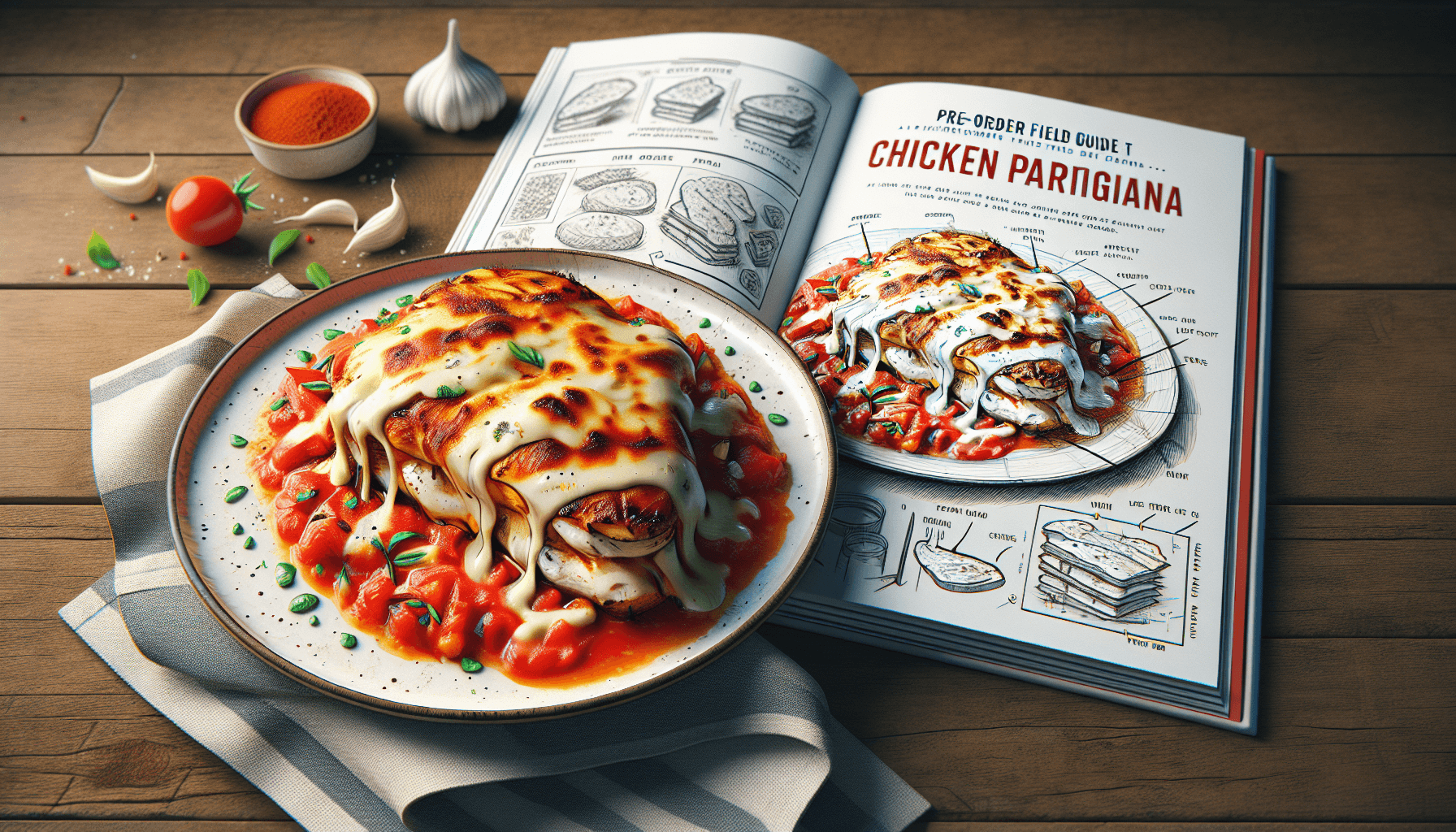
The Pre-Order Field Guide to a Great Chicken Parmigiana

Brady Stroud
—12 January 2026
You sit down, you spot it on the menu, and your heart says “parmi.” But how do you know if this one’s the real deal—golden, saucy, and proudly melty—before you commit? Here’s a field guide for reading the room (and the menu) so your next chicken parmigiana is a guaranteed win.
The First Whiff Test
Before the eyes decide, the nose knows.
- Clean, light aroma of frying: suggests fresh oil and proper temperature.
- Toasty, dairy-sweet notes: a hint the cheese is actually browned, not just melted.
- Bright, tomatoey lift: points to a sauce with some freshness, not a flat, over-simmered sludge. If the air smells stale or greasy, consider it a soft yellow flag.
Menu Clues That Matter
The menu can tell you more than you think—if you read between the lines.
- Specifics signal care: “hand-crumbed,” “house marinara,” “finished under the grill.”
- Named cheese beats mystery cheese: “mozzarella + provolone” tells you they’ve thought about melt and flavour.
- Clarity over fluff: poetic adjectives without detail can be a smokescreen.
- Optional upgrades that make sense (extra sauce on the side, salad dressing listed) show intentionality, not upsell-for-upsell’s-sake.
Plate Recon: Eyes on the Room
A quick scan of neighbouring tables is legal research.
- Colour: a deep golden crumb (not pale or burnt) and a cheese top with actual browning.
- Coverage: sauce and cheese reaching the edges without drowning the crumb.
- Chip survival rate: if everyone’s chips look crisp and not glued to the parmi, that’s promising.
- Shine vs. slick: a gentle gloss is good; pools of orange oil can mean imbalance.
Listen Like a Pro
The soundtrack of a good kitchen is revealing.
- A steady fry hiss (not a frantic crackle) suggests the oil’s at the right temp.
- The brief sizzle when a plate hits the pass under a salamander is your melt-and-brown moment.
- Chaos isn’t always bad, but a controlled rhythm usually means consistency.
Hardware Tells
You can learn a lot from the tools and tables.
- A working salamander or grill near the pass = better browning than “just melt.”
- Solid plates or hot skillets hold heat; flimsy trays can sap it.
- If you spy paper liners under schnitzels in the pass, that can trap steam and soften the crumb.
Ask One Smart Question
You don’t need an interrogation, just a single, friendly probe:
- “Is the schnitty crumbed in-house and cooked to order?” A confident yes is a strong signal. If staff light up describing it, even better.
Timing Is Taste
Good parmis take a minute.
- A realistic wait time often means they’re cooking fresh.
- On “parmi night,” volume can test consistency—great kitchens still pace and communicate.
- If they warn you it’ll be a little longer because they’re finishing it under the grill, that’s a green flag.
Sidekick Signals
Great parmis travel with dependable mates.
- Chips that arrive beside (not under) usually stay crisp.
- Salads that glisten lightly (not dripping) suggest house dressing and freshness.
- A lemon wedge isn’t compulsory, but it shows someone’s thought about balance.
Portion Reality Check
Bigger isn’t always better.
- Menus that brag grams without describing quality can be compensating.
- A well-proportioned plate—where you can see crumb, sauce, and cheese in harmony—usually eats better than a sheet-pan behemoth.
When It Lands: Quick Wins Without Fuss
You don’t need to rearrange the plate to improve it, but two tiny habits help:
- Start at an edge so the crumb keeps its crunch longer.
- Keep chips away from sauce rivers; they’ll thank you later.
The Takeaway (Not That Kind)
You don’t need chef credentials to pick a winner. Trust your senses: smell for freshness, scan for colour and coverage, listen for controlled sizzle, and ask one smart question. When the clues add up, odds are your fork’s about to meet a cracker of a chicken parmigiana.
Got your own pre-order tells? What’s the one detail that convinces you to pull the trigger on a parmi? Share your tips, wins, and near-misses in the comments—let’s help each other dodge the duds and celebrate the greats.